Goals:
- Design a complete integration with a new platform;
- Improve the experience for existing customers;
- Document and communicate platform capabilities and constraints to the team.
Short summary: we missed our original timeline and target metrics, but customers loved the result. Up to 10% of new users now onboard through the new platform, and over 90% of previously connected users moved to a reliable, full integration.
Context
iGMS is a platform for managing vacation-rental listings across Airbnb and similar services. Hosts connect their accounts, then manage calendars, staff tasks, and guest communication in one interface. The product has operated in a highly competitive market since 2015.
Customers consistently requested a native
The integration aimed to improve competitiveness, simplify operations for customers, and unlock new market opportunities.
Process
We started by aligning with leadership on business goals, then involved Support to interview existing users and validate demand. We identified the audience and invited customers into a beta-testing cohort.
The interviews produced a list of engaged test users, core scenarios, pain points with competitor solutions, and baseline expectations.
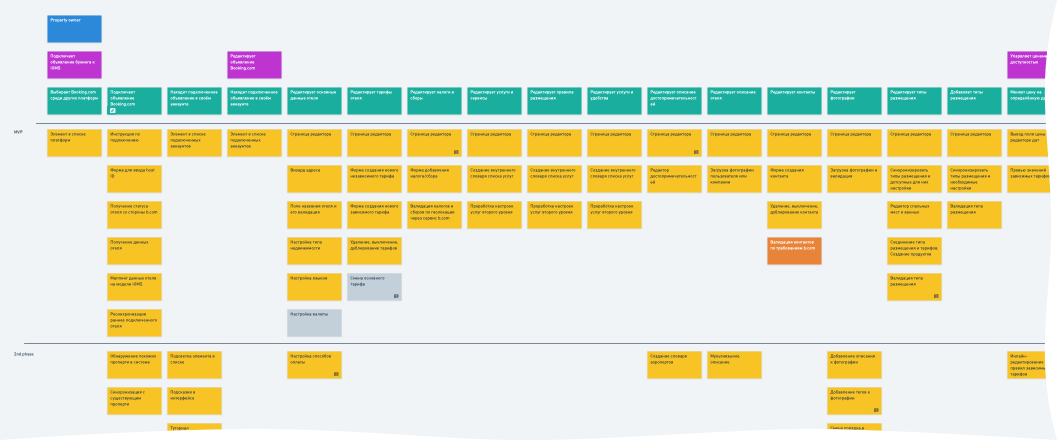
Using that input and leadership goals, I built a user story map to define MVP scope and the follow-up roadmap. We iterated on that map repeatedly and used it as a backlog foundation.
Because this was a new market for us and competitor metrics were not public, we had to estimate success targets with limited certainty.
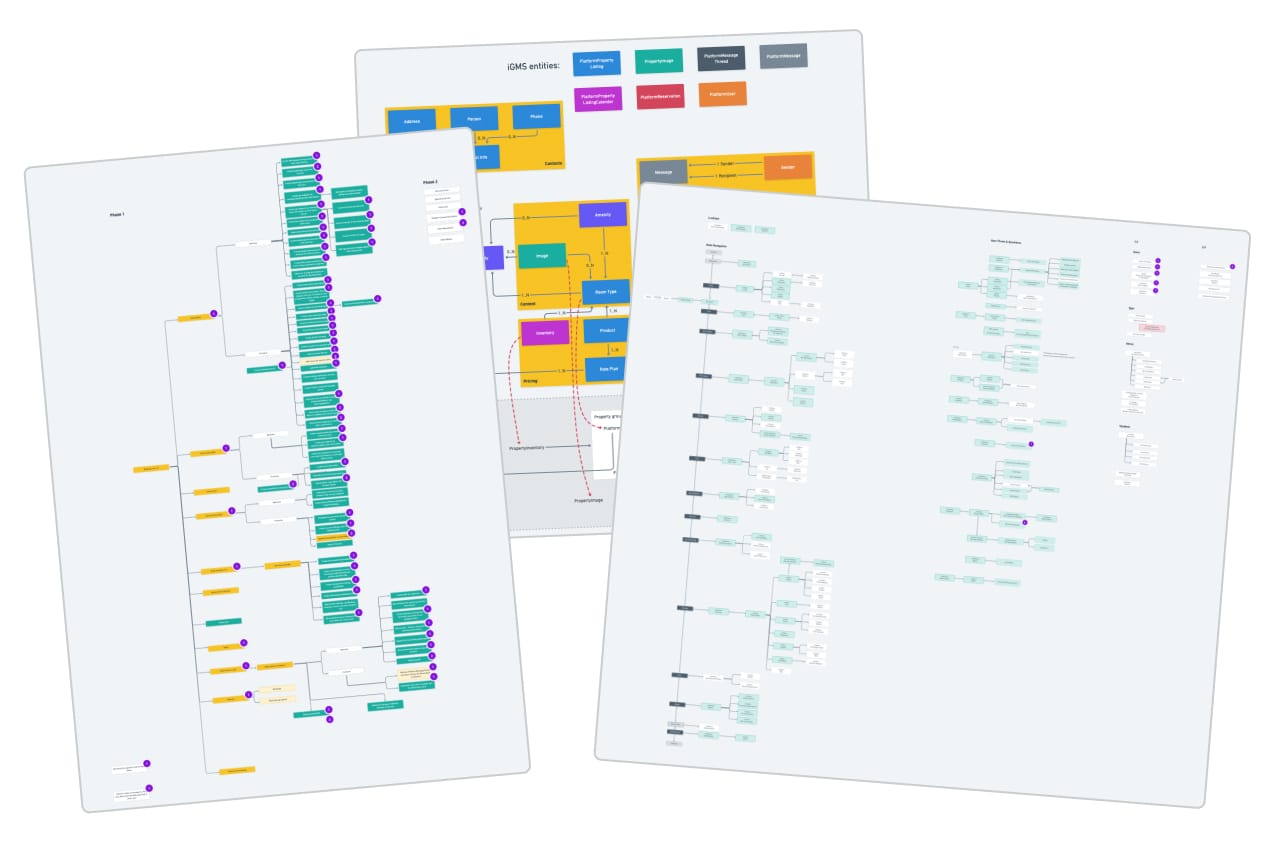
I then conducted a deep review of
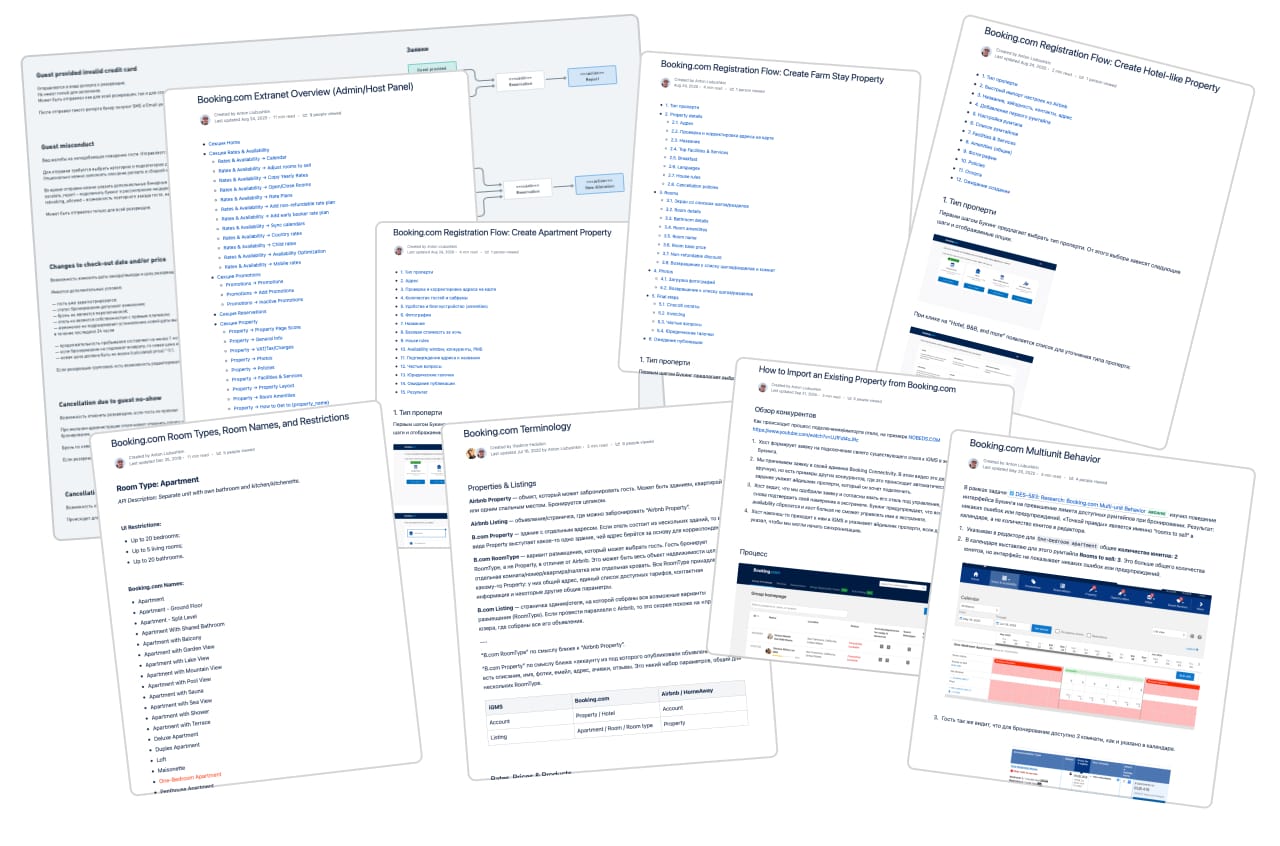
To close remaining unknowns, I ran real platform testing: created multiple test accounts with different roles and covered end-to-end user scenarios - account creation, onboarding, listing publication, booking flow, payout flow, messaging, reviews, calendars, rates, special offers, reports, reservation cards, and more.
We discovered that
All findings were documented internally with opportunities, risks, and open issues, followed by a walkthrough for the product team.
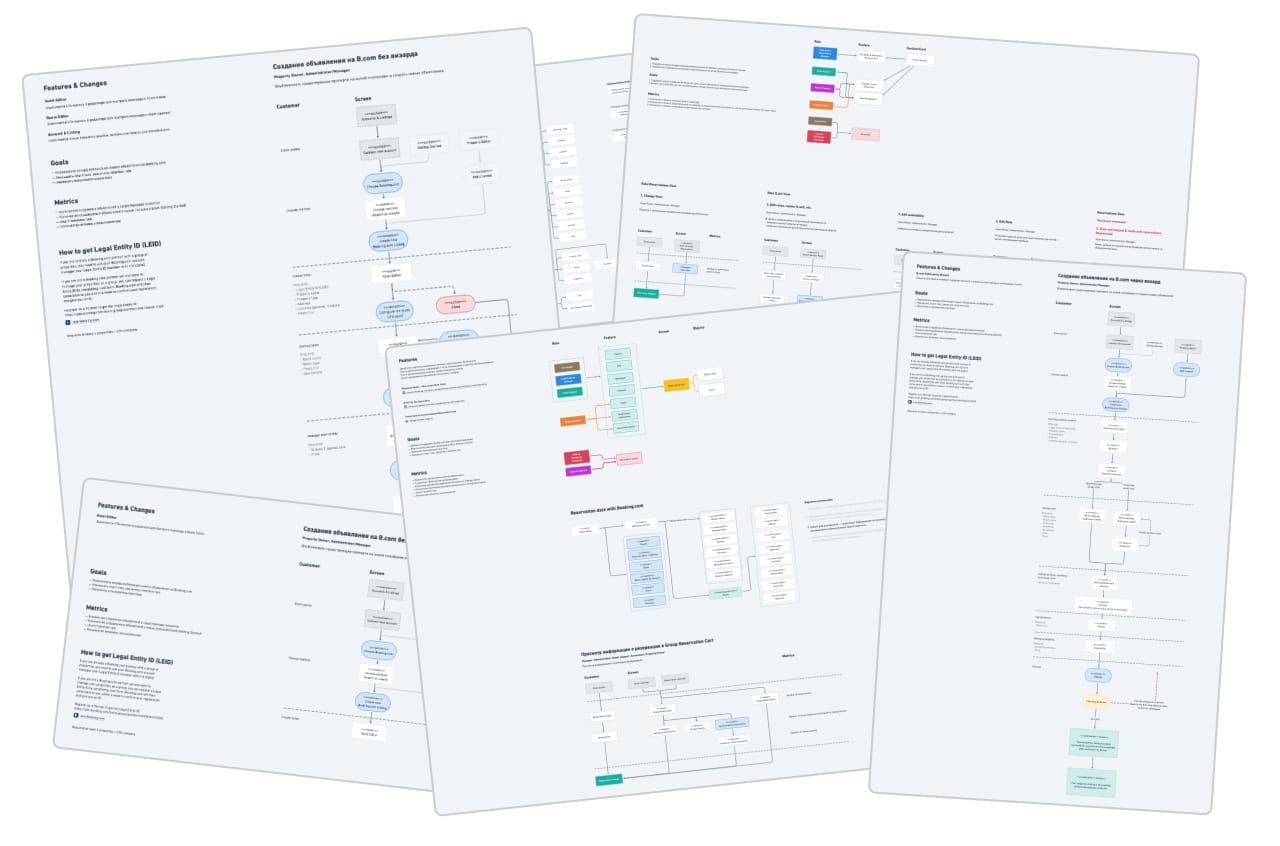
Next, I prepared detailed use cases based on the story map. Engineering and QA used them during implementation and validation.
After use-case alignment, I moved to final UI design. To avoid bottlenecks, I demoed and handed off scope in epics, so design and development progressed largely in parallel.
Some areas required multiple wireframe/prototype iterations, but many screens moved directly to high-fidelity design thanks to clear use cases and an established design system.
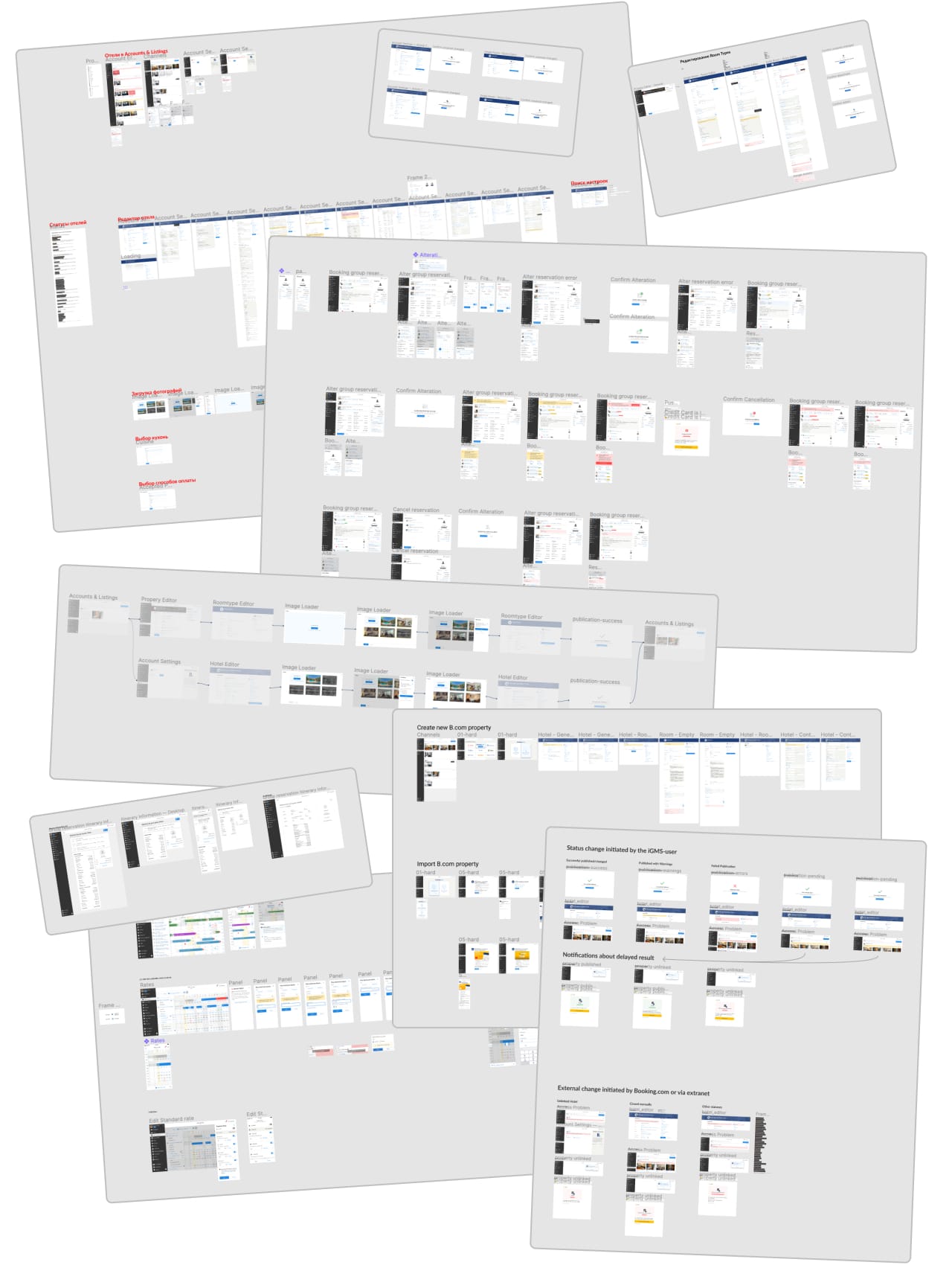
After that, the remaining execution steps were straightforward:
- language review with a native speaker;
- final demos for leadership, engineering, support, and marketing;
- ongoing design support during development;
- multiple design-review iterations;
- metrics instrumentation for Google Analytics, FullStory, and other systems;
- beta rollout for a selected audience segment;
- behavior and performance monitoring;
- post-beta fixes and refinements;
- public-release prep: marketing assets, Help Desk updates, screenshots/videos, and website/landing updates;
- regular KPI snapshots and post-release reporting.
Result
We significantly missed initial timeline and metric assumptions, and external factors - especially the 2020 pandemic - had major impact.
The release shipped later than planned, but customer feedback was strongly positive and highlighted both usability and feature completeness compared to nearby competitors.
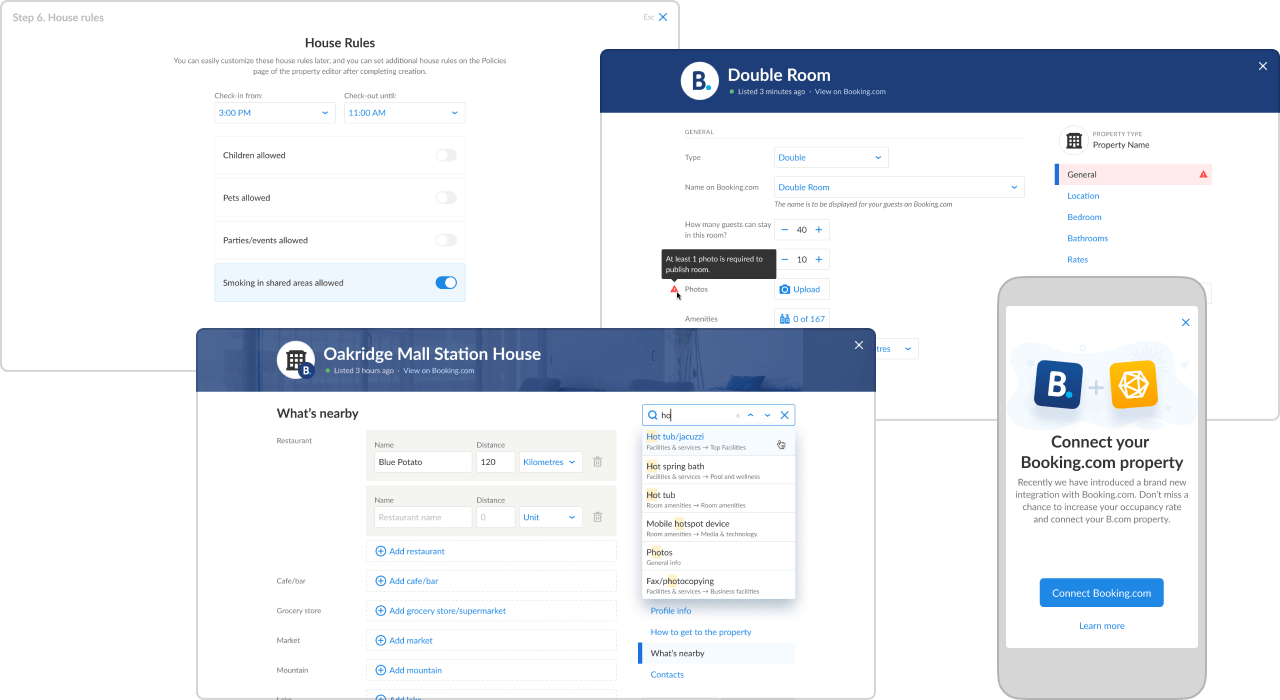
Up to 10% of new customers now connect